
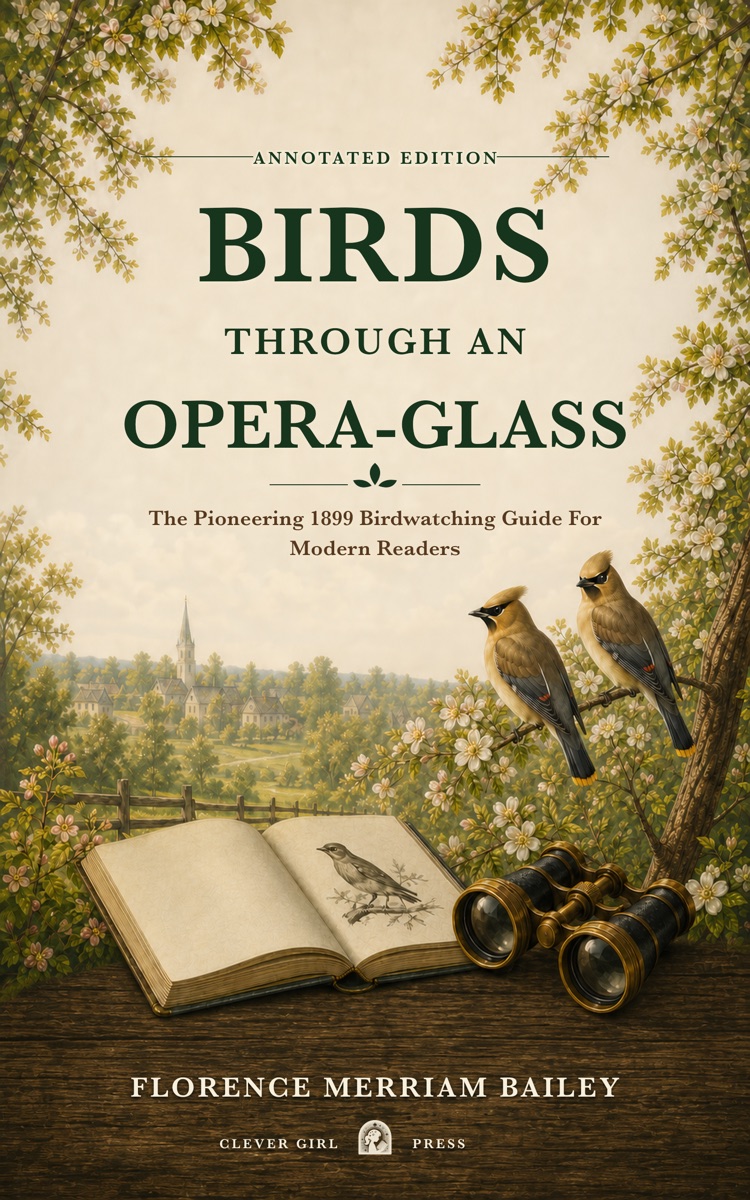
Birds Through an Opera-Glass
The Pioneering 1899 Birdwatching Guide for Modern Readers
A pioneering classic of American birdwatching. A field guide for quiet observation, careful attention, and the joy of seeing birds alive in the wild.
Choose your format
- Format
- Kindle + hardcover + paperback
- Length
- 258 pages
- Published
- July 13, 2026
- ISBN-13
- 979-8186601999
About the book
Watch first. Name the bird second.
Before modern binoculars became the standard tool of birders, Florence Merriam Bailey invited readers to take up an opera glass, step outdoors, and learn to know birds by sight, song, movement, color, habit, and season.
Birds Through an Opera-Glass is a landmark work of American nature writing and early birdwatching literature. First published in 1889 and republished in 1899, Bailey’s classic guide helped shift bird study away from collecting specimens and toward patient, humane observation in the field.
Written with clarity, warmth, and practical detail, this vintage bird guide introduces common birds through their behavior, appearance, songs, nesting habits, and natural surroundings.
Across these pages, readers meet hummingbirds, woodpeckers, robins, sparrows, blue jays, warblers, kingfishers, chickadees, bluebirds, crows, and goldfinches—and learn how songs, flight, nests, habitat, and season turn each sighting into a practical field lesson.
This annotated public-domain edition presents Bailey’s 1899 republication of her influential bird book for modern readers, bird lovers, naturalists, homeschool families, nature-study groups, and anyone interested in the history of birding, conservation, and women naturalists.
This edition includes:
- An introduction to Florence Merriam Bailey and the rise of modern birdwatching
- Contextual notes on period language, bird names, field observation, and nineteenth-century nature study
- A guide to key birds, habitats, and observation methods discussed in the text
- A source note explaining the public-domain base text
- An afterword and discussion questions for readers, classrooms, and nature-study groups
For readers interested in classic bird books, birdwatching field guides, American nature writing, public-domain natural history, women naturalists, ornithology, and nature study classics, Birds Through an Opera Glass remains a charming and important guide to the art of watching birds closely.
Prepared from the public-domain text.
From the publisher
A Vintage Ornithology Classic Brought to Modern Readers
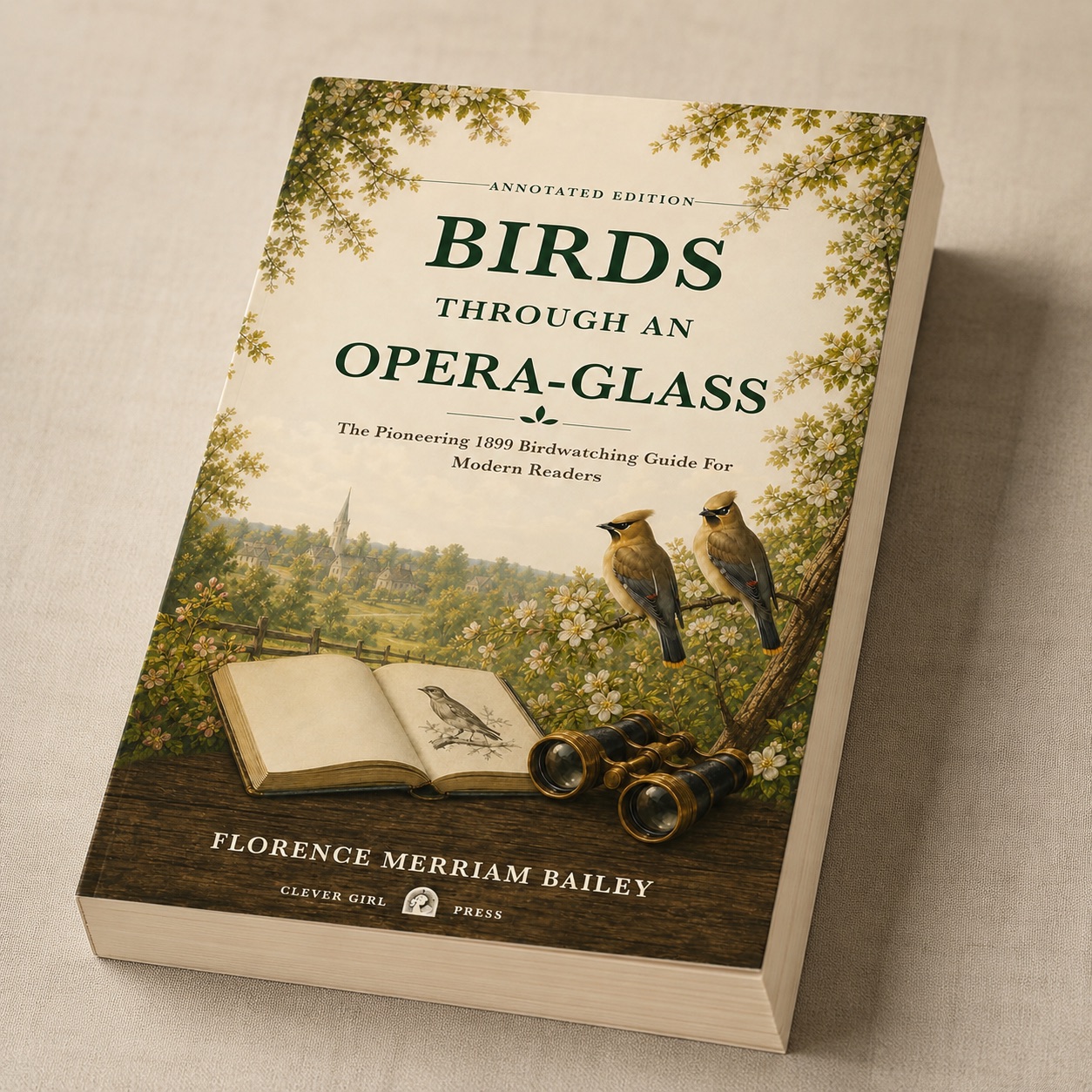
An Annotated Nature Study
This annotated public-domain edition of Bailey's 1899 birdwatching guide is prepared for modern readers, homeschool families, nature study groups, and anyone drawn to the history of ornithology and conservation. As both a nature study resource and a window into women naturalist history, it offers helpful annotations alongside Bailey's original text. Readers interested in American nature writing, vintage ornithology classics, and the roots of the birdwatching tradition will find this edition an engaging and informative companion.

A Pioneering Voice in Women Naturalist History
Florence Merriam Bailey was among the earliest and most influential women naturalists in American history. Her landmark contribution to American nature writing, first published in 1889 and republished in 1899, helped transform birdwatching from a collecting pursuit into a practice of patient, humane observation. This 1899 birdwatching guide stands as a testament to her vision and remains a celebrated vintage ornithology classic that shaped the way generations of readers came to appreciate birds in the wild.
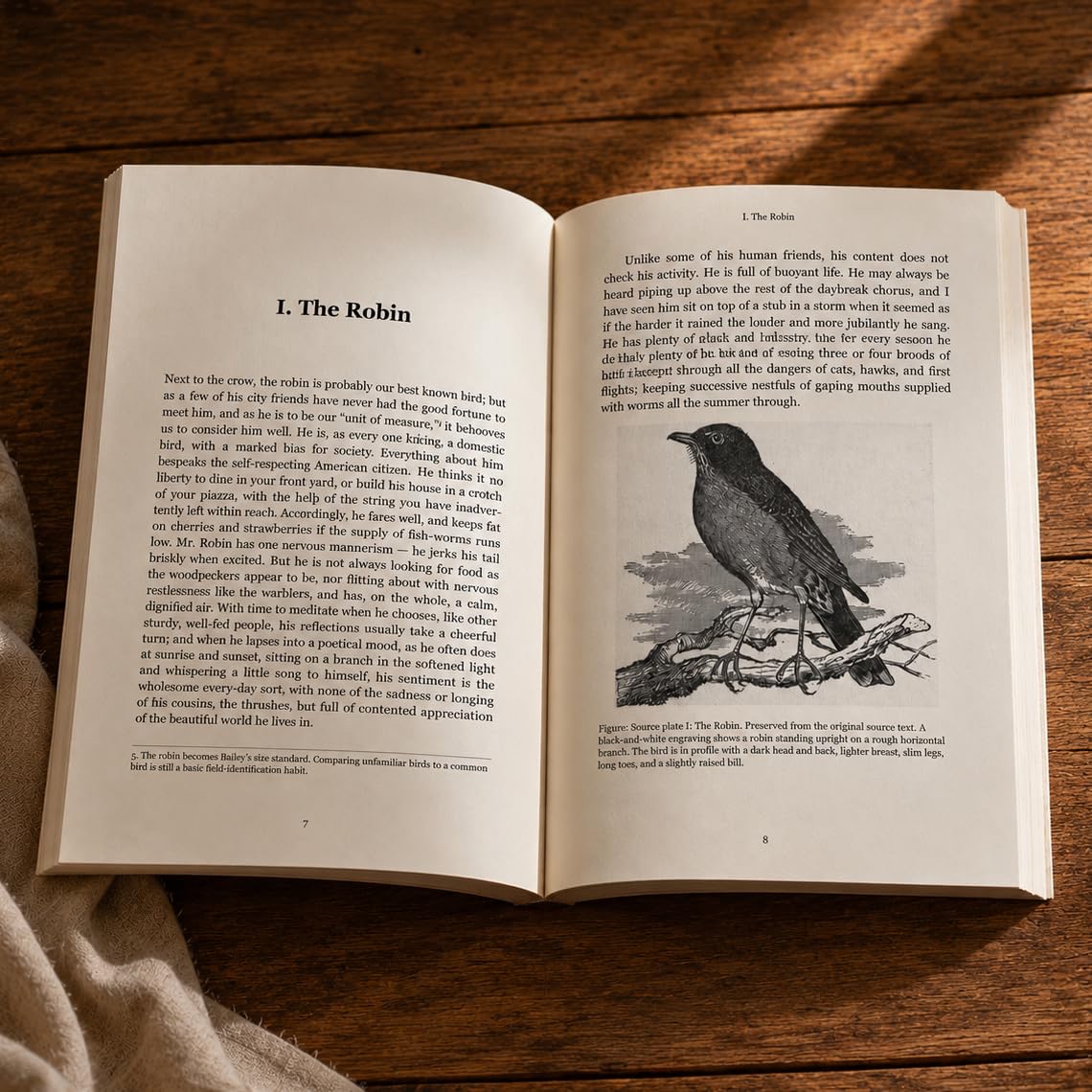
Resource Field Observation Methods for Every Reader
Bailey's writing brings birds to life through richly detailed bird behavior descriptions, covering the songs and nesting habits that make each species distinct. Her accessible field observation methods encourage readers to step outside, slow down, and engage with the natural world directly. Whether you are new to birdwatching or a seasoned naturalist, her practical guidance on observing movement, color, habit, and season offers a timeless approach to discovering birds alive in their natural surroundings.
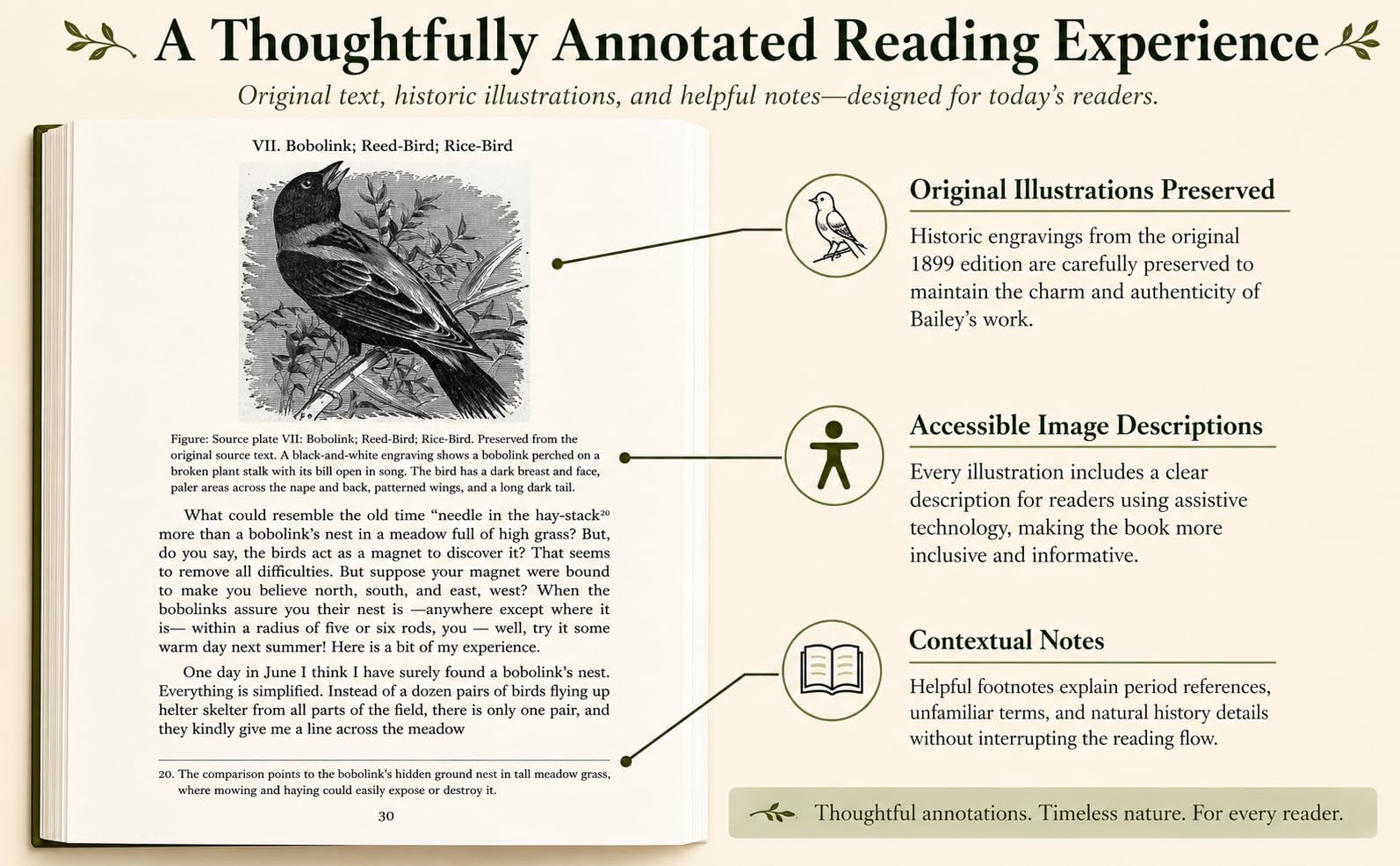
An Accessible Birdwatching Classic, Thoughtfully Enhanced for Modern Readers
This annotated edition of Birds Through an Opera-Glass makes Florence Merriam Bailey’s pioneering birdwatching guide easier to navigate and more inclusive. Accessible illustration descriptions, clear contextual notes, visual learning supports, and reader-friendly explanations help more readers engage with the text while preserving the original writing and historic bird engravings.
Goodreads community
Reviews across editions and all publishers.
Goodreads groups reviews for this work across editions and all publishers. These reviews may not describe the Clever Girl Press annotated edition. The widget stays off until you choose to load it.